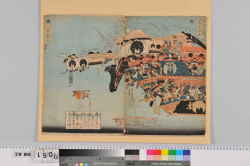
One Sound Zendo Lotus This catalogue introduces the exhibition, "One Sound Zendo Lotus." The title of the exhibition, "One Sound Zendo Lotus," represents the essence of this unique artistic presentation. The exhibition showcases various art pieces, each conveying a singular, resonant sound. These sounds are believed to evoke a meditative state. In the tranquil setting of a traditional Japanese Zen temple, visitors will be immersed in an atmosphere of serenity and reflection. Each artwork in the exhibition has been carefully selected to inspire a sense of contemplation and spiritual growth. The Lotus flower, a symbol of enlightenment and rebirth in Eastern culture, serves as a unifying motif throughout the exhibition. As visitors move from one piece to the next, they will be invited to listen deeply and connect with the profound sounds and meanings that lie within. Throughout the exhibition, visitors will have the opportunity to engage in guided meditation sessions, enhancing their overall experience. The "One Sound Zendo Lotus" exhibition promises to be a transformative journey, inviting visitors to explore the intersection of sound, art, and spirituality. In this peaceful sanctuary, visitors may find themselves leaving with a renewed sense of inner peace and understanding.
一聲齋芳露
View the original at Japan Search →Japan implementing the 1970 UNESCO Convention. When a foreign state reports that cultural property has been stolen from an institution, the Ministry of Foreign Affairs notifies the education ministry, which designates the object as specified foreign cultural property, after consulting the trade ministry. Importing a designated object then requires approval under the foreign exchange and trade law.
The cool part. Article 6 quietly rewrites private law. Under the Civil Code a good-faith purchaser is normally secure against a recovery claim after two years. For designated stolen foreign cultural property, the victim may demand recovery from two years after the theft until ten years have passed. Buying in good faith does not settle the question for a decade, which is roughly how long it takes a stolen object to surface on a legitimate market.
Verify at e-Gov 法令検索 →Use it Two-colour foil on uncoated stock gets you most of this at production cost.
Description source: museum curator text, translated — not generated