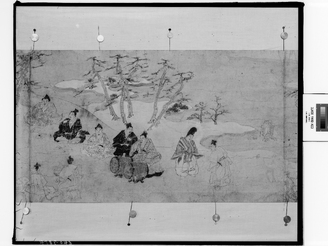
The Tokyo National Museum possesses a "Tales of Juzuki" scroll (Institution inventory number: A-17), which was photographed in glass plates by the Tokyo Cultural Property Research Institute in 1940. The information about the title and so on is recorded based on the investigation records at the time of photographing. For the current information about the title and so on, please confirm with the relevant preservation institutions.
東京国立博物館が所蔵する「住吉物語絵巻」(機関管理番号:A-17)を東京文化財研究所で1940年に撮影したガラス乾板です。作品名等の情報は撮影時の調査記録を元に記載しております。現在の作品名等については各所蔵機関の情報をご確認ください。
View the original at Japan Search →Article 1 gives three grounds for regulating a sign: forming good landscape, maintaining scenic character, and preventing danger to the public. Article 3 then lets a prefecture prohibit outdoor advertising outright, by ordinance, in named categories of place.
The cool part. Read the list in Article 3 and it stops being an advertising law. The places where signage can be banned include landscape districts, scenic districts, preservation districts for groups of traditional buildings, the surroundings of designated Important Cultural Properties, and historic sites, places of scenic beauty and natural monuments. The statute protects the view by removing the sentences written across it.
Verify at e-Gov 法令検索 →Use it The border is the idea. Use it as an edge treatment and leave the centre empty.
Description source: museum curator text, translated — not generated