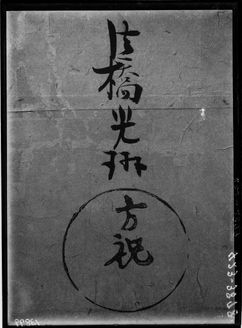
The Tokyo National Museum houses a "Tail of the Ox Ivory Brush / Wind God Thunder God Screen Painting" (Institution Management Number: A-11189-1). This is a glass plate photograph taken of it at the Tokyo Cultural Property Research Institute in 1933. The information about the title and such is written based on the investigation records at the time of photographing. For the current information about the title and such, please check with the relevant preservation institutions.
東京国立博物館が所蔵する「尾形光琳筆/風神雷神図屏風」(機関管理番号:A-11189-1)を東京文化財研究所で1933年に撮影したガラス乾板です。作品名等の情報は撮影時の調査記録を元に記載しております。現在の作品名等については各所蔵機関の情報をご確認ください。
View the original at Japan Search →A craft cannot call itself traditional by taste or reputation. Article 2 sets five conditions, all of which must hold: it is used mainly in daily life, the main part of its making is by hand, it is made by traditional techniques, it is made chiefly from materials traditionally used, and a not-small number of people in a defined area still make it. The designation names the techniques, the materials and the region.
The cool part. Two conditions do quiet work. The first is daily use, so a technique kept alive only for display does not qualify. The fifth is the number of makers: the law will not protect a single surviving genius, because one person is a biography and not an industry. And because the region is written into the designation, the craft is legally attached to a place and cannot move.
Verify at e-Gov 法令検索 →Use it Take the ratio, not the picture. It sets a page better than a grid does.
Description source: museum curator text, translated — not generated