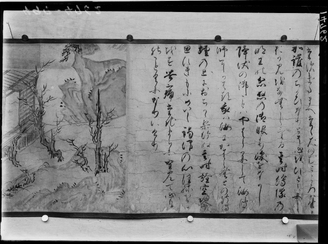
The Tokyo National Museum possesses a "Tie Scroll of Immovable Property" (Institution Management Number: A-10480), which was photographed by the Tokyo Cultural Property Research Institute in 1934 using a glass plate. The information about the title and such is recorded based on the investigation records at the time of photographing. For the current information about the title and such, please confirm with the relevant preservation institutions.
東京国立博物館が所蔵する「不動利益縁起絵巻」(機関管理番号:A-10480)を東京文化財研究所で1934年に撮影したガラス乾板です。作品名等の情報は撮影時の調査記録を元に記載しております。現在の作品名等については各所蔵機関の情報をご確認ください。
View the original at Japan Search →Japan implementing the 1970 UNESCO Convention. When a foreign state reports that cultural property has been stolen from an institution, the Ministry of Foreign Affairs notifies the education ministry, which designates the object as specified foreign cultural property, after consulting the trade ministry. Importing a designated object then requires approval under the foreign exchange and trade law.
The cool part. Article 6 quietly rewrites private law. Under the Civil Code a good-faith purchaser is normally secure against a recovery claim after two years. For designated stolen foreign cultural property, the victim may demand recovery from two years after the theft until ten years have passed. Buying in good faith does not settle the question for a decade, which is roughly how long it takes a stolen object to surface on a legitimate market.
Verify at e-Gov 法令検索 →Use it Two-colour foil on uncoated stock gets you most of this at production cost.
Description source: museum curator text, translated — not generated