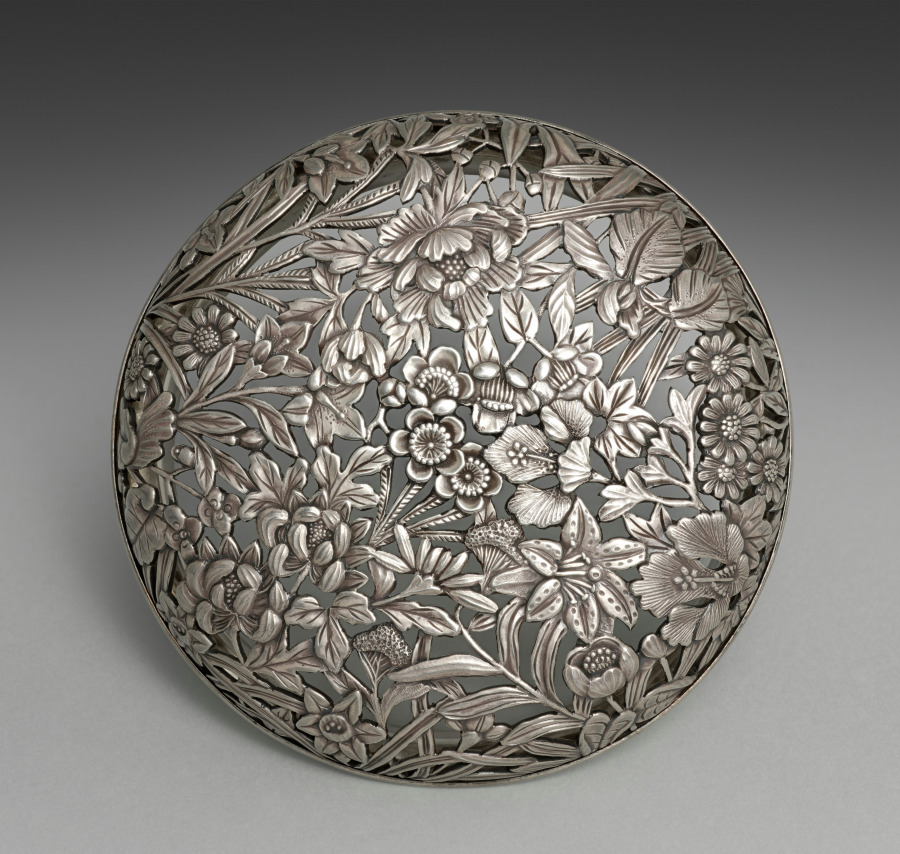
Seifū Yohei III made incense burners in a wide variety of designs and styles. This tripod incense burner has a distinctive red-colored glaze and linear molded decorations that run around the base of the collar and down the legs. It has a variety of flowers on its lid. The glaze is described as “crimson glaze” (kōyū); it is also dappled with dark spots of varied opacity and tiny pores throughout, which gives the container a rich, textured effect.
View the original at Cleveland Museum of Art →Article 2 defines a museum as an institution that collects, keeps and displays materials on history, art, folklore, industry and natural science for public use, carries out research on them, and which has been registered under Chapter 2 of this Act. The registration is not decorative. In law, an unregistered collection open to the public is not a museum.
The cool part. The definition of keeping is given as including raising. That single parenthesis is why a zoo, an aquarium and a botanical garden sit inside museum law in Japan: the collection is allowed to be alive. Article 1 also grounds the statute in the Social Education Act and the Basic Act on Culture and the Arts, which places museums in education first and culture second.
Verify at e-Gov 法令検索 →Use it Palette for a single-colour run: one ink, heavy stock, nothing else on the sheet.
Description source: museum curator text — not generated