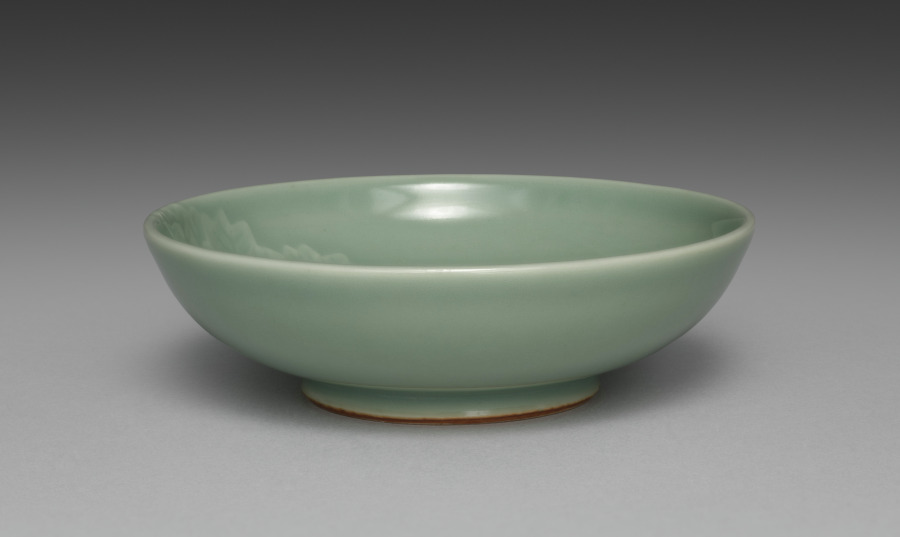
Yohei III’s main output for his sophisticated clientele was in the form of tea sets and dining sets. He often produced in pairs, sets of five, or sets of ten. This set of five dishes with a green glaze and designs of ivy vines in very low relief has unfortunately lost its box. These dishes are slightly larger than the other dishes, like CMA 2022.187, and so may have been not saucers but rather small plates for meals.
View the original at Cleveland Museum of Art →Article 2 defines a museum as an institution that collects, keeps and displays materials on history, art, folklore, industry and natural science for public use, carries out research on them, and which has been registered under Chapter 2 of this Act. The registration is not decorative. In law, an unregistered collection open to the public is not a museum.
The cool part. The definition of keeping is given as including raising. That single parenthesis is why a zoo, an aquarium and a botanical garden sit inside museum law in Japan: the collection is allowed to be alive. Article 1 also grounds the statute in the Social Education Act and the Basic Act on Culture and the Arts, which places museums in education first and culture second.
Verify at e-Gov 法令検索 →Use it Two-colour foil on uncoated stock gets you most of this at production cost.
Description source: museum curator text — not generated