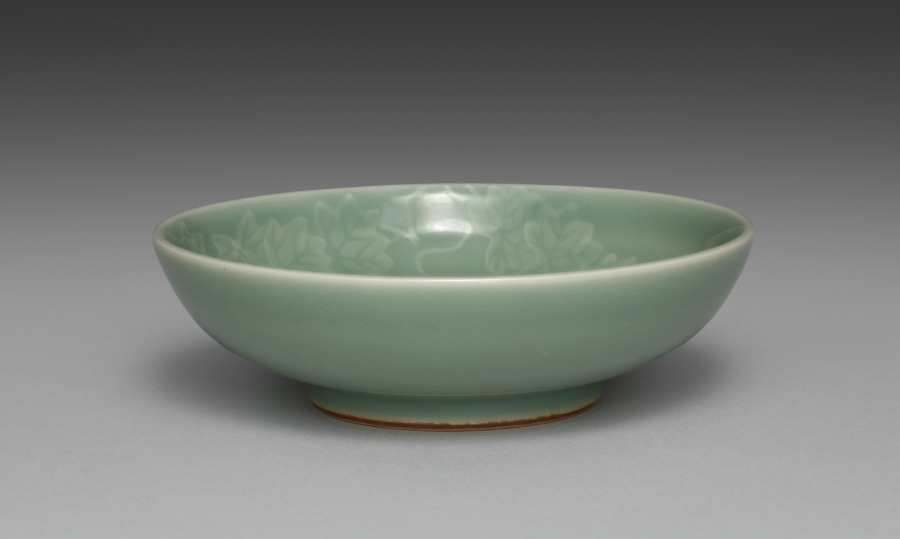
Yohei III’s main output for his sophisticated clientele was in the form of tea sets and dining sets. He often produced in pairs, sets of five, or sets of ten. This set of five dishes with a green glaze and designs of ivy vines in very low relief has unfortunately lost its box. These dishes are slightly larger than the other dishes, like CMA 2022.187, and so may have been not saucers but rather small plates for meals.
View the original at Cleveland Museum of Art →A statute built to coax privately held work onto public walls. An owner registers a piece with the Commissioner for Cultural Affairs, then contracts with a museum to display it. Article 2 defines a work of art broadly, as paintings, sculpture, crafts and other tangible cultural products that are movable, which is the legal way of saying anything you could carry out of the house.
The cool part. The terms are the interesting part. Article 2 requires the public display contract to run for five years or more, and to contain a clause stating that the parties may not give notice of cancellation. You cannot lend a masterpiece for the tax treatment and then reclaim it when the market turns. Japan concluded the barrier to seeing art was never storage. It was ownership, and the fix was a contract you cannot walk out of.
Verify at e-Gov 法令検索 →Use it The border is the idea. Use it as an edge treatment and leave the centre empty.
Description source: museum curator text — not generated