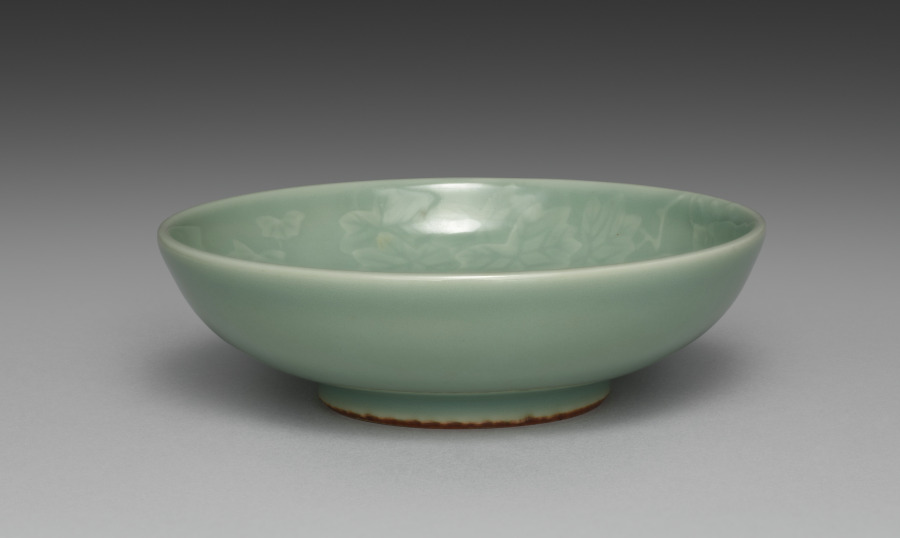
Yohei III’s main output for his sophisticated clientele was in the form of tea sets and dining sets. He often produced in pairs, sets of five, or sets of ten. This set of five dishes with a green glaze and designs of ivy vines in very low relief has unfortunately lost its box. These dishes are slightly larger than the other dishes, like CMA 2022.187, and so may have been not saucers but rather small plates for meals.
View the original at Cleveland Museum of Art →Japan implementing the 1970 UNESCO Convention. When a foreign state reports that cultural property has been stolen from an institution, the Ministry of Foreign Affairs notifies the education ministry, which designates the object as specified foreign cultural property, after consulting the trade ministry. Importing a designated object then requires approval under the foreign exchange and trade law.
The cool part. Article 6 quietly rewrites private law. Under the Civil Code a good-faith purchaser is normally secure against a recovery claim after two years. For designated stolen foreign cultural property, the victim may demand recovery from two years after the theft until ten years have passed. Buying in good faith does not settle the question for a decade, which is roughly how long it takes a stolen object to surface on a legitimate market.
Verify at e-Gov 法令検索 →Use it Take the ratio, not the picture. It sets a page better than a grid does.
Description source: museum curator text — not generated