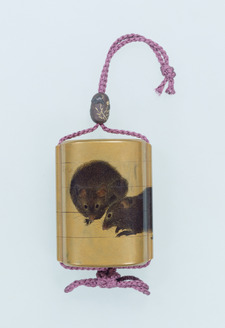
This inrō was originally a portable container for storing medicines during the Edo period. However, it was later used as an ornamental dressing case. This inrō is a work of the Edo period painting master, Saltaku Mitsunobu. It features a bold design with two mice placed on gold leaf, and intricately painted every single hair, making it an impressive piece.
印籠は、薬などを入れる携帯用の容器でしたが、江戸時代の中頃から装身具として用いられました。この印籠は江戸中期の蒔絵師、塩見政誠の作品です。金地に二匹の鼠を配した大胆な構図と、毛の一本一本まで蒔絵で表わした精緻な表現が印象的な作品です。
View the original at Japan Search →Unusually for a Japanese statute it opens with a preamble, which states that finding joy in creating culture and living among it is an unchanging wish of people, and that culture contributes to world peace. Article 2 then sets the principles: the autonomy of those who make culture must be fully respected, and their creativity, standing and capacity considered.
The cool part. Article 2, paragraph 3 is the line worth reading twice. It says that creating and receiving culture is a right people are born with, and requires an environment in which citizens can appreciate, participate and create regardless of age, disability, economic situation, or the area they live in. Four barriers named in statute, one of which is your postcode. It puts the arts in the same grammatical register as infrastructure. Not a subsidy argued for each year, a standing obligation.
Verify at e-Gov 法令検索 →Use it Take the ratio, not the picture. It sets a page better than a grid does.
Description source: museum curator text, translated — not generated