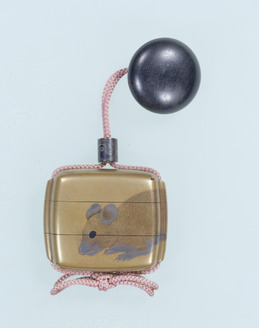
The inrō were originally portable containers for storing medicine, but from the Edo period onwards, they were primarily used as accessories. These inrō are notable works of the Edo period painting master, Salt-seller Kobayashi Masanori. Their bold design of alternating mice and the meticulous depiction of each hair strand in the painting make them particularly memorable pieces. [Ruby: Shiomimasanari]
印籠は、薬などを入れる携帯用の容器でしたが、江戸時代の中ごろからは主に装身具として用いられました。これらの印籠は江戸中期の蒔絵師、塩見政誠の作品で、鼠を表裏連続して配した大胆な構図と、毛の一本一本まで蒔絵であらわした精緻な表現が印象的な作品です。 ルビ:しおみまさなり
View the original at Japan Search →Article 1 states the purpose plainly: prevent trade in stolen goods, find them quickly, and speed the recovery of victims. Article 2 then defines a used article to include, in the same breath, art objects held for appreciation. Dealing in them requires a licence.
The cool part. Article 16 requires a dealer to record every transaction: the date, the item and quantity, its distinguishing features, and the address, name, occupation and age of the other party. Article 15 requires that a dealer who suspects an item is stolen report it to a police officer immediately. So the antique trade runs on a register the police may read, and a painting becomes a second-hand article the moment it has been used once.
Verify at e-Gov 法令検索 →Use it A motif small enough to blind-deboss, which is where restraint actually shows.
Description source: museum curator text, translated — not generated