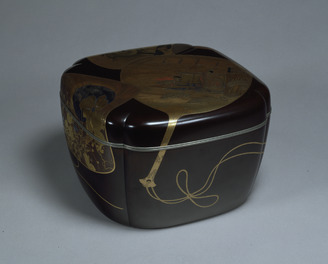
Shimizu Sadataro was born in Kaga domain, in Kanazawa, where he learned painting. He is a renowned master representing early modern Kaga painting in Japan, having received recognition at both domestic and international exhibitions. The intricate painting on the fan surface of this work is reminiscent of his skill. The vibrant expression, suggestive of both sumi-e and colored paintings, showcases the artist's high level of expertise.
浅野惣三郎は加賀藩に生まれ、金沢で蒔絵を身につけました。国内外の博覧会で受賞を重ねた、近代加賀蒔絵を代表する名工です。本作表面に配された団扇には、その繊細な蒔絵表現を見ることができます。水墨画や彩色画を思わせる多彩な表現が、作者の高い技量を示しています。
View the original at Japan Search →Article 1 describes the Ainu as the indigenous people of the northern part of the Japanese archipelago and of Hokkaido in particular, and cites international circumstances concerning indigenous peoples as a reason for acting. It requires the government to set a basic policy, and lets municipalities draw up regional plans for approval by the Prime Minister.
The cool part. The definition in Article 2 is the part to sit with. Ainu culture means the Ainu language, and the ways of living, music, dance, crafts and other cultural products inherited among the Ainu, and cultural products developed from these. That final clause refuses to freeze the culture at a date, and treats what is made next as equally the thing being protected. The Act then reaches into trademark law, reducing or waiving registration fees for regional collective trademarks used by approved projects.
Verify at e-Gov 法令検索 →Use it Palette for a single-colour run: one ink, heavy stock, nothing else on the sheet.
Description source: museum curator text, translated — not generated