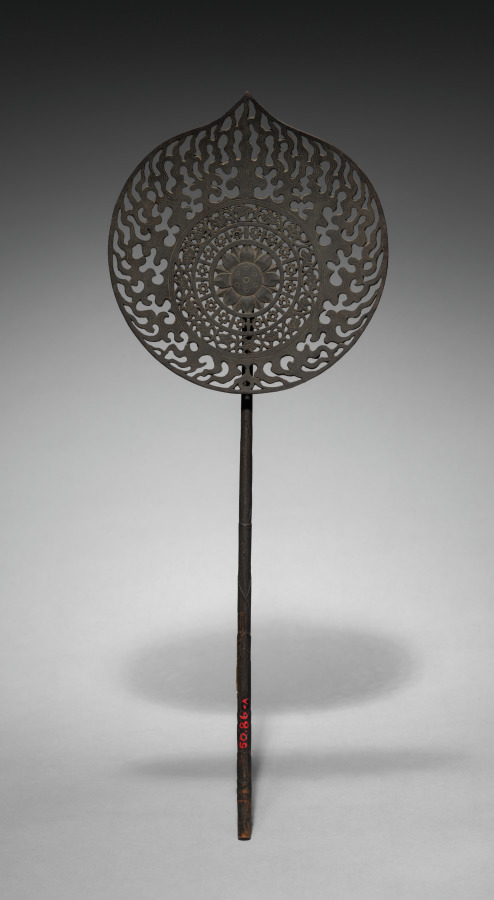
Buddhism was introduced to Japan in the sixth century. For early Japanese devotees, Buddhism offered the promise of salvation through faith in the Buddha of the Future, who would appear at the end of the world. The concept of eternal salvation held particular resonance with the Japanese aristocracy, who became the staunchest supporters of this new faith. Small sculptures like this one, with its gentle grace and powerful presence, were popular devotional objects.
View the original at Cleveland Museum of Art →Unusually for a Japanese statute it opens with a preamble, which states that finding joy in creating culture and living among it is an unchanging wish of people, and that culture contributes to world peace. Article 2 then sets the principles: the autonomy of those who make culture must be fully respected, and their creativity, standing and capacity considered.
The cool part. Article 2, paragraph 3 is the line worth reading twice. It says that creating and receiving culture is a right people are born with, and requires an environment in which citizens can appreciate, participate and create regardless of age, disability, economic situation, or the area they live in. Four barriers named in statute, one of which is your postcode. It puts the arts in the same grammatical register as infrastructure. Not a subsidy argued for each year, a standing obligation.
Verify at e-Gov 法令検索 →Use it A motif small enough to blind-deboss, which is where restraint actually shows.
Description source: museum curator text — not generated