Huang Goodman · Art Forgotten

Art Forgotten

Art from public museum collections. A mismatched real Japanese law, and some other factoids.

Every object, image and description comes from the museum's own catalogue record, and every object links to its original. Japanese records are machine-translated into English; the museum's Japanese is kept beside the translation because it is the authoritative form. Each law carries its official number and links to e-Gov 法令検索, the Japanese government's statute database.

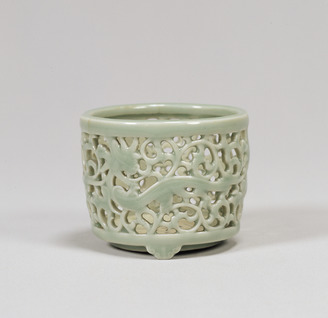
青磁透彫文香炉
{青磁透彫文香炉 · 三田 · 江戸時代・19世紀 / Edo period, 19th century · Japan Search · 国立国会図書館}
Azeclay Transparent Kiln (Fragrant Incense Burner) · Three Rivers Museum Catalogue 1. This museum is named Three Rivers Museum. 2. It is located at the confluence of three rivers in the heart of the city. 3. The museum building, designed with a modern architectural concept, stands as a symbol of the city's rich history and cultural heritage. 4. The museum houses a vast collection of art and historical artifacts, reflecting the diversity and complexity of the region. 5. The exhibition rooms are thoughtfully arranged to guide visitors through the narrative of the region's history and culture. 6. The museum's exterior design reflects the natural beauty of the rivers, while the interior is filled with light and open spaces. 7. The museum's collection includes not only art and historical objects, but also multimedia presentations and interactive exhibits. 8. The museum's educational programs aim to engage and inspire visitors of all ages and backgrounds, fostering a deeper appreciation for the region's history and culture. 9. The museum's beautiful gardens offer a tranquil oasis for visitors to relax and reflect on their museum experience. 10. The museum's restaurant serves delicious local cuisine, providing visitors with a taste of the region's unique culinary traditions. 11. The museum's gift shop offers a wide selection of souvenirs and merchandise, allowing visitors to take a piece of the museum experience home with them. 12. The museum is easily accessible by public transportation and offers ample parking for visitors arriving by car. 13. The museum is open seven days a week, with extended hours on weekends and during special events. 14. Admission to the museum is free for children under the age of 18, and discounted for students, seniors, and military personnel. 15. The museum's guided tours are led by knowledgeable and friendly staff members, providing visitors with a rich and informative museum experience.

This is a type of dragon called "Mizuchi," represented in a meticulously crafted incense burner. Despite its small size, the vibrant, glossy blue celadon glaze can be seen. On the bottom, there is an inscription that reads "Seikoku.

龍の一種である蛟(みずち)と、唐草文を透彫であらわした精巧な香炉。小品ながら、みずみずしい青磁釉の発色が見られる。底裏には「欽古」の刻銘がある。

View the original at Japan Search →
The law
京都国際文化観光都市建設法
Kyoto International Culture Tourism City Construction Act
昭和二十五年法律第二百五十一号 · Act No. 251 of 1950

A national statute written for one city. Article 1 recites the beauty of Kyoto and its historically, culturally and artistically important position in the world, and gives two purposes: to raise international culture and serve the ideal of permanent world peace, and to contribute to the economic recovery of Japan. It was passed five years after the war ended.

The cool part. Article 3 lets Kyoto designate culture tourism preservation districts and, by ordinance, prohibit building, rebuilding, removal, changes to the shape of the land and the cutting of bamboo, trees and stone, with compensation for ordinary loss. Then Article 4 does something statutes almost never do. It places a duty on the mayor personally: in the spirit of local autonomy, and with the cooperation of residents, the mayor must engage in ceaseless activity to complete the city. Nara received its own Act, number 250, the day before.

Verify at e-Gov 法令検索 →

Use it Two-colour foil on uncoated stock gets you most of this at production cost.

Description source: museum curator text, translated — not generated