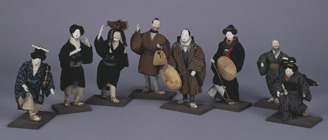
At the foot of Mt. Hiei, a woman from the plain of Omi carries bundles of firewood on her head and sells them. This image appeared in various singing tales of craftsmen during the medieval period, and was unique to Kyoto. The lifelike sculpture evokes a sense of new trends in figurative representation.
比叡山の麓、大原から洛中へ、薪を頭に載せて売り歩く大原女の姿は、中世に編まれた職人歌合などにも登場するように、京都ならではの風物であった。写実的な造形は、人形表現の新しい動向を感じさせる。
View the original at Japan Search →Article 1 states the aim as a beautiful and dignified national land, and it covers not only cities but farming, mountain and fishing villages. Inside a landscape planning area, Article 16 requires advance notification of new building, extension, rebuilding, relocation, and any repair or alteration that changes the exterior. Landscape Districts go further and impose direct restrictions on the form and design of buildings.
The cool part. Read Article 16 to the end of the sentence. A change of colour is listed alongside new construction as an act you must notify. Repainting your building is, in law, the same category of event as putting up a new one. This is the machinery behind the muted shopfronts of Kyoto. The brown coffee-shop sign is not a marketing choice, it is compliance.
Verify at e-Gov 法令検索 →Use it Palette for a single-colour run: one ink, heavy stock, nothing else on the sheet.
Description source: museum curator text, translated — not generated