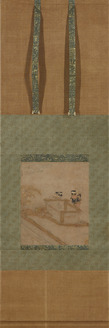
In Yoshimine Jirogoro and his brother Minoheisaburo of the Gunze samurai family from the capital, a story is depicted. Jirogoro, who neglected martial arts, was attacked by bandits on his way to the capital and lost his life. His wife and daughter were taken in by Heisaburo's family out of compassion, and they suffered various tortures. However, after that, compassion came to call from the commissioner of the country.
都の生活に憧れる吉(よし)見(み)二(じ)郎(ろう)と、武芸一途の男衾三郎という関東武士の兄弟と、その家族をめぐる物語を描く。武芸を怠っていた二郎は都へ上る途中、山賊に襲われ命を落とし、妻と娘の慈悲(じひ)は三郎の家に引き取られ、様々な虐待を受ける。だがその後、慈悲は国司から求婚されるにいたる。
View the original at Japan Search →Article 2 defines a museum as an institution that collects, keeps and displays materials on history, art, folklore, industry and natural science for public use, carries out research on them, and which has been registered under Chapter 2 of this Act. The registration is not decorative. In law, an unregistered collection open to the public is not a museum.
The cool part. The definition of keeping is given as including raising. That single parenthesis is why a zoo, an aquarium and a botanical garden sit inside museum law in Japan: the collection is allowed to be alive. Article 1 also grounds the statute in the Social Education Act and the Basic Act on Culture and the Arts, which places museums in education first and culture second.
Verify at e-Gov 法令検索 →Use it The border is the idea. Use it as an edge treatment and leave the centre empty.
Description source: museum curator text, translated — not generated