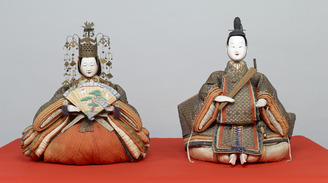
This type of doll is popular in the shogunate period (1716-35) in towns, and it is characterized by extravagant clothing that differs from actual court attire. In Edo, there was a trend of competing with large dolls. In the sixth year of the shogunate (1721), a prohibitory decree was issued by the shogunate bureaucracy against dolls that are 8 inches (approx. 24 cm) or larger.
この形式の雛人形は享保年間(1716~35)から町方で流行したもので、実際の公家装束から離れた豪華な衣裳に特徴があります。江戸では大型の雛飾りを競いあう流行があり、享保6年(1721)には幕府によって8寸(約24㎝)以上の雛人形を禁止する触書が出されました。
View the original at Japan Search →A national statute written for one city. Article 1 recites the beauty of Kyoto and its historically, culturally and artistically important position in the world, and gives two purposes: to raise international culture and serve the ideal of permanent world peace, and to contribute to the economic recovery of Japan. It was passed five years after the war ended.
The cool part. Article 3 lets Kyoto designate culture tourism preservation districts and, by ordinance, prohibit building, rebuilding, removal, changes to the shape of the land and the cutting of bamboo, trees and stone, with compensation for ordinary loss. Then Article 4 does something statutes almost never do. It places a duty on the mayor personally: in the spirit of local autonomy, and with the cooperation of residents, the mayor must engage in ceaseless activity to complete the city. Nara received its own Act, number 250, the day before.
Verify at e-Gov 法令検索 →Use it The border is the idea. Use it as an edge treatment and leave the centre empty.
Description source: museum curator text, translated — not generated