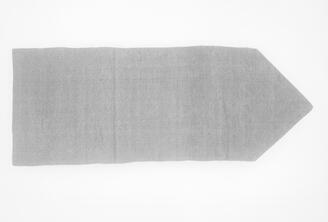
The angled hat is a headwear worn by monks in Noh theatre, with a triangular-shaped peak pointing upwards from the crown and a long flap that hangs down at the back of the head. Since the Edo period, there has been a growing preference for luxurious textiles imported from China, such as silks and brocades.
角帽子は能に登場する僧侶がかぶる帽子で頭部が二等辺三角形に尖っており、頭の後ろから背中にかけて裾を垂らすように着用する。江戸時代以降は緞子や金襴など、中国から輸入された華やかな織物が好まれるようになった。
View the original at Japan Search →Article 1 states the purpose plainly: prevent trade in stolen goods, find them quickly, and speed the recovery of victims. Article 2 then defines a used article to include, in the same breath, art objects held for appreciation. Dealing in them requires a licence.
The cool part. Article 16 requires a dealer to record every transaction: the date, the item and quantity, its distinguishing features, and the address, name, occupation and age of the other party. Article 15 requires that a dealer who suspects an item is stolen report it to a police officer immediately. So the antique trade runs on a register the police may read, and a painting becomes a second-hand article the moment it has been used once.
Verify at e-Gov 法令検索 →Use it Palette for a single-colour run: one ink, heavy stock, nothing else on the sheet.
Description source: museum curator text, translated — not generated