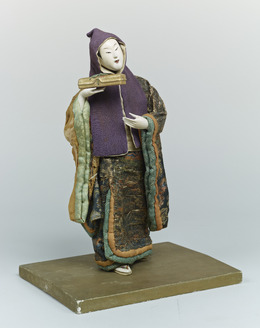
During the reign of Kanpaku Toyotomi (1661-1681) in Kyoto, there is a doll made after the female Kabuki actor, Uemura Jiro. The doll is depicted with its clothes off. The elaborate headdress with purple tassels can also be removed, revealing young braids underneath. The face has a serious yet lovable expression.
寛文から延宝年間(1661~81)に京都で活躍した女形の歌舞伎役者、上村吉弥をモデルにしたと伝えられる衣裳人形で、片肌脱ぎをしています。紫縮緬の頭巾も外せるようになっており、その下では若衆髷に結っています。凛としつつも愛嬌のある顔立ちが艶やかです。
View the original at Japan Search →Article 1 states the aim as a beautiful and dignified national land, and it covers not only cities but farming, mountain and fishing villages. Inside a landscape planning area, Article 16 requires advance notification of new building, extension, rebuilding, relocation, and any repair or alteration that changes the exterior. Landscape Districts go further and impose direct restrictions on the form and design of buildings.
The cool part. Read Article 16 to the end of the sentence. A change of colour is listed alongside new construction as an act you must notify. Repainting your building is, in law, the same category of event as putting up a new one. This is the machinery behind the muted shopfronts of Kyoto. The brown coffee-shop sign is not a marketing choice, it is compliance.
Verify at e-Gov 法令検索 →Use it Take the ratio, not the picture. It sets a page better than a grid does.
Description source: museum curator text, translated — not generated