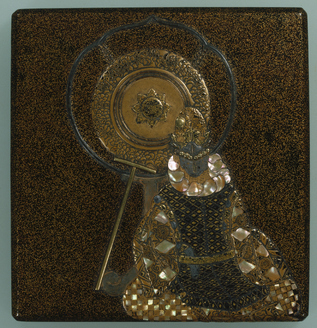
The front side features a dancer with a copper kettle drum and a collision of wooden blocks covered by a bird-helmet, while the back side shows a fan and theatrical costumes, unifying the theme of performing arts. The bold composition invites close approach, employing diverse techniques and materials such as gold inlay, gold rods, and metalwork. It was passed down in the Matsudaira clan of Tosa domain.
蓋表には鉦鼓・撞木と鳥兜を被った舞人、蓋裏には扇と舞楽装束を表わし、舞楽にまつわるモチーフで統一しています。対象に近接した大胆な構図で、金高蒔絵に螺鈿、金棒や鉛板の象嵌、金鋲など多彩な技法と素材が駆使されています。徳島藩主蜂須賀家に伝来しました。
View the original at Japan Search →Article 1 describes the Ainu as the indigenous people of the northern part of the Japanese archipelago and of Hokkaido in particular, and cites international circumstances concerning indigenous peoples as a reason for acting. It requires the government to set a basic policy, and lets municipalities draw up regional plans for approval by the Prime Minister.
The cool part. The definition in Article 2 is the part to sit with. Ainu culture means the Ainu language, and the ways of living, music, dance, crafts and other cultural products inherited among the Ainu, and cultural products developed from these. That final clause refuses to freeze the culture at a date, and treats what is made next as equally the thing being protected. The Act then reaches into trademark law, reducing or waiving registration fees for regional collective trademarks used by approved projects.
Verify at e-Gov 法令検索 →Use it A motif small enough to blind-deboss, which is where restraint actually shows.
Description source: museum curator text, translated — not generated