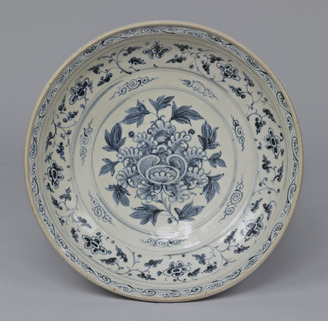
In Vietnam, between the 15th and 16th centuries, large quantities of export blue and white porcelain were produced. The characteristics of Vietnamese blue and white porcelain are well depicted in this plate, with intricate shadow work on lotus petals and delicate lines that clearly show the details of the tangled bamboo patterns.
ベトナムでは、15世紀から16世紀にかけて、輸出向けの青花磁器が量産された。この大皿は、細い線で陰影が施された牡丹の表現、たおやかな描線で切れ切れにあらわされた唐草文などに、ベトナム青花の特色がよくあらわれている。
View the original at Japan Search →Unusually for a Japanese statute it opens with a preamble, which states that finding joy in creating culture and living among it is an unchanging wish of people, and that culture contributes to world peace. Article 2 then sets the principles: the autonomy of those who make culture must be fully respected, and their creativity, standing and capacity considered.
The cool part. Article 2, paragraph 3 is the line worth reading twice. It says that creating and receiving culture is a right people are born with, and requires an environment in which citizens can appreciate, participate and create regardless of age, disability, economic situation, or the area they live in. Four barriers named in statute, one of which is your postcode. It puts the arts in the same grammatical register as infrastructure. Not a subsidy argued for each year, a standing obligation.
Verify at e-Gov 法令検索 →Use it Take the ratio, not the picture. It sets a page better than a grid does.
Description source: museum curator text, translated — not generated