Quiet reading✦No ads, ever

✦Corporate brand & media services✦Made in Virginia Beach since 1997✦

Huang Goodman · Art Forgotten

Art Forgotten

Art from public museum collections. A mismatched real Japanese law, and some other factoids.

Every object, image and description comes from the museum's own catalogue record, and every object links to its original. Japanese records are machine-translated into English; the museum's Japanese is kept beside the translation because it is the authoritative form. Each law carries its official number and links to e-Gov 法令検索, the Japanese government's statute database.

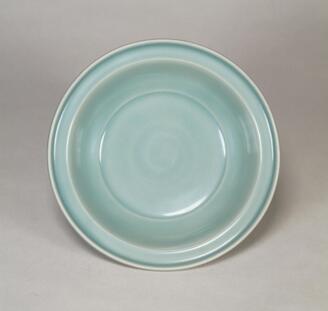
青磁鉢
{青磁鉢 · 中国・龍泉窯 · 南宋~元時代・13世紀 / Southern Song–Yuan dynasty, 13th century · Japan Search · 国立国会図書館}
Aze clay pot This object is a clay pot made of Aze clay. Aze clay, known for its bright blue color, is famous as one of the six ancient clay types in Japan. The pot is round in shape with a flat bottom and a wide opening. Its surface is covered with a white slip, giving it a smooth and glossy finish. The pot's body is adorned with simple yet elegant decorative patterns in brown, created by the application of iron oxide. The pot's rim is thicker than its body, and its exterior has a rough texture, indicating that it was fired at a high temperature. This Aze clay pot is a fine example of the traditional Japanese ceramics art. · China . Dragon Well Kiln This catalog entry is about China and the Dragon Well Kiln.

The clear azure glaze of this dragon well pottery is impressionable. Inside a double box, the lid of the old inner box bears the inscription "blue magnetic dish, tea caddy" in ink. It becomes apparent that this tea utensil has been passed down through generations. The tea utensils, treasured in the collection of the famous Unkei, occupy its core.

澄んだ青色の釉調が印象的な龍泉窯青磁の鉢。二重箱で、古い内箱の蓋表には「青磁砧 菓子鉢」と墨書があり、茶湯道具として伝世してきたものであることがうかがえます。茶の湯で珍重された陶磁器は、数寄者であった不孤斎のコレクションの中核を担っています。

View the original at Japan Search →
The law
景観法
Landscape Act
平成十六年法律第百十号 · Act No. 110 of 2004

Article 1 states the aim as a beautiful and dignified national land, and it covers not only cities but farming, mountain and fishing villages. Inside a landscape planning area, Article 16 requires advance notification of new building, extension, rebuilding, relocation, and any repair or alteration that changes the exterior. Landscape Districts go further and impose direct restrictions on the form and design of buildings.

The cool part. Read Article 16 to the end of the sentence. A change of colour is listed alongside new construction as an act you must notify. Repainting your building is, in law, the same category of event as putting up a new one. This is the machinery behind the muted shopfronts of Kyoto. The brown coffee-shop sign is not a marketing choice, it is compliance.

Verify at e-Gov 法令検索 →

Use it A motif small enough to blind-deboss, which is where restraint actually shows.

Description source: museum curator text, translated — not generated