Huang Goodman · Art Forgotten

Art Forgotten

Art from public museum collections. A mismatched real Japanese law, and some other factoids.

Every object, image and description comes from the museum's own catalogue record, and every object links to its original. Japanese records are machine-translated into English; the museum's Japanese is kept beside the translation because it is the authoritative form. Each law carries its official number and links to e-Gov 法令検索, the Japanese government's statute database.

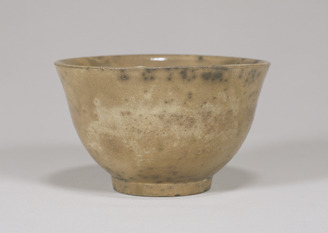
粉引茶碗
{粉引茶碗 · 宮崎幸太郎氏寄贈 · 朝鮮時代・16~17世紀 / Joseon dynasty, 16th–17th century · Japan Search · 国立国会図書館}
Dusting Tea Bowl. This tea bowl is characterized by its delicate and thin porcelain body, with a dusting of fine white ash-like substance covering its surface. The ash-like substance is a result of the unique firing process, which involves the application of a specific type of ash to the bowl during the final stages of firing. The tea bowl's shape is graceful and elegant, with a slightly flared rim and a rounded base. The exterior is unadorned, allowing the natural beauty of the porcelain and the subtle texture of the ash to take center stage. The tea bowl's interior is smooth and glossy, with a slight warmth that enhances the sensory experience of drinking tea. The tea bowl's size is appropriate for one serving, making it a personal and intimate object. The tea bowl's history is not well-documented, but it is believed to date back several centuries. Its simple and understated design reflects the traditional Japanese aesthetic, which values the harmony of form and function. The tea bowl is a testament to the skill and artistry of its maker, who was able to create a functional object that is also a work of art. Its dusting of ash adds an element of surprise and mystery, making each use an experience to be treasured.

Inside and out, it has been powdered with white make-up, giving it a soft and gentle impression. It is called "Koho Bunki" (Three Good Powders, Ishikawa Prefectural Museum of Art Collection). Although it differs in style, it can be considered as tea bowls made to order from Japan. (161025_t103)

内外総体に白化粧が施されており、一見柔らかな感じの粉を刷いたような風情であることから粉引とよばれます。大徳寺江月和尚所持の伝来があります。「三好粉引」(三井記念美術館蔵)などとは作風が異なり、日本からの注文による茶碗と考えられます。(161025_t103)

View the original at Japan Search →
The law
文化芸術基本法
Basic Act on Culture and the Arts
平成十三年法律第百四十八号 · Act No. 148 of 2001

Unusually for a Japanese statute it opens with a preamble, which states that finding joy in creating culture and living among it is an unchanging wish of people, and that culture contributes to world peace. Article 2 then sets the principles: the autonomy of those who make culture must be fully respected, and their creativity, standing and capacity considered.

The cool part. Article 2, paragraph 3 is the line worth reading twice. It says that creating and receiving culture is a right people are born with, and requires an environment in which citizens can appreciate, participate and create regardless of age, disability, economic situation, or the area they live in. Four barriers named in statute, one of which is your postcode. It puts the arts in the same grammatical register as infrastructure. Not a subsidy argued for each year, a standing obligation.

Verify at e-Gov 法令検索 →

Use it A motif small enough to blind-deboss, which is where restraint actually shows.

Description source: museum curator text, translated — not generated