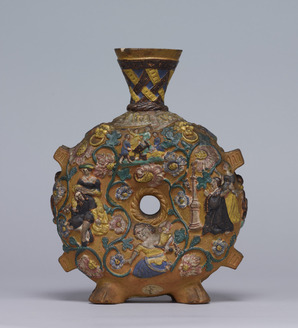
(The southern part) This catalog introduces various artworks from the southern region. Located in the bottom part of the archipelago, the southern region is rich in cultural heritage. The art pieces presented in this catalog reflect the unique characteristics of this area. The climate and geography of the southern region have significantly influenced the artistic expressions of local artists. The artworks showcase the diverse and vibrant cultural traditions of the southern region. From ancient times to modern day, the southern region has been a melting pot of various artistic influences. This catalog aims to provide an overview of the rich artistic history and contemporary scene of the southern region. Each artwork is accompanied by detailed descriptions and high-quality images to facilitate a deeper understanding and appreciation of the pieces. We invite you to explore the world of art from the southern region through this catalog.
(南ドイツ)
View the original at Japan Search →A statute built to coax privately held work onto public walls. An owner registers a piece with the Commissioner for Cultural Affairs, then contracts with a museum to display it. Article 2 defines a work of art broadly, as paintings, sculpture, crafts and other tangible cultural products that are movable, which is the legal way of saying anything you could carry out of the house.
The cool part. The terms are the interesting part. Article 2 requires the public display contract to run for five years or more, and to contain a clause stating that the parties may not give notice of cancellation. You cannot lend a masterpiece for the tax treatment and then reclaim it when the market turns. Japan concluded the barrier to seeing art was never storage. It was ownership, and the fix was a contract you cannot walk out of.
Verify at e-Gov 法令検索 →Use it Two-colour foil on uncoated stock gets you most of this at production cost.
Description source: museum curator text, translated — not generated