Quiet reading✦No ads, ever

✦Corporate brand & media services✦Made in Virginia Beach since 1997✦

Huang Goodman · Art Forgotten

Art Forgotten

Art from public museum collections. A mismatched real Japanese law, and some other factoids.

Every object, image and description comes from the museum's own catalogue record, and every object links to its original. Japanese records are machine-translated into English; the museum's Japanese is kept beside the translation because it is the authoritative form. Each law carries its official number and links to e-Gov 法令検索, the Japanese government's statute database.

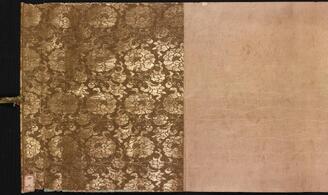
清水寺縁起絵巻 巻下
{清水寺縁起絵巻 巻下 · 土佐光信筆 · 室町時代・永正14年(1517) / Muromachi period, 1517 · Japan Search · 国立国会図書館}
Cleansing Temple Border Scroll Lower Part This lower part of the Cleansing Temple Border Scroll. Features intricate designs and patterns. The colors are vibrant and the brushwork precise. Each element harmoniously blends into the next. The scroll is divided into several sections. Each section encompasses a distinct theme. The first section showcases various auspicious symbols. These symbols represent prosperity, longevity, and good fortune. The second section illustrates various mythological beings. These beings are guardians of the temple and protectors of its visitors. Their intricate details are rendered with great skill. The third section depicts scenes from daily temple life. Monks and temple attendants are shown performing their duties. The peaceful atmosphere of temple life is beautifully captured. The fourth section features landscapes and natural scenes. These scenes showcase the beauty of the natural world. The harmony between nature and the temple is emphasized. Throughout the scroll, the balance between the various elements is striking. The harmonious blend of colors, patterns, and themes creates a visually captivating work of art. · Tosa Kokin Pen This catalog entry introduces the "Tosa Kokin Pen," an artifact of historical significance. Originally belonging to the Tosa School of Japanese painting, this pen is known for its exquisite craftsmanship and distinctive design. The pen casing is made from lacquer, a traditional Japanese material, and is intricately decorated with gold leaf and fine inlays. The cap is adorned with an intricate design, adding to its elegant appearance. The pen's nib, made from the finest quality metal, is carefully crafted to ensure a smooth writing experience. The nib's tip is shaped to create a fine line, making it ideal for producing intricate and detailed brushwork. The Tosa Kokin Pen is not only a functional writing instrument but also an object of artistic beauty. Its intricate decoration and superior craftsmanship reflect the high standards of artistry and craftsmanship that were valued during the time it was created. This catalog entry provides a brief overview of the Tosa Kokin Pen, allowing viewers to appreciate its historical significance and artistic merit.

This catalog is about a three-volume picture scroll that describes the beginning of Kyoto's Sensui-ji Temple and the prosperity of its main statue, the Thousand-Handed Kannon. In the exhibit, we are showing the bottom volume. The first scene is a story about Kenkei, a monk of Sensui-ji, who visited the country of Shin'etsu, present-day Nagano Prefecture. Kenkei, who was swallowed by a great snake, made a wish to carve a statue of Nyoirin (Reniangou) at the temple entrance when the snake departed. The second scene depicts the funeral ceremony of Emperor Heian (Emperor Ichijo) in the Heian period. At the time, powerful monks from Hieizan Enryaku-ji and Kofuku-ji temples faced each other. Although there was no major disturbance, a fire was set to the temple by the soldiers of Hieizan that very year. The scene of the statue flying out of the temple to save itself by landing on a cedar tree is depicted in the third picture. The fourth picture shows Morihisa, a samurai of the Minamoto family, being captured by the Soga clan. Morihisa, who had strong faith in Sensui-ji, received a secret spell from an old priest in a dream. The fifth picture is the scene of Morihisa's punishment.

京都の清水寺の始まりとその本尊千手観音のご利益を描いた絵巻です。全部で三巻ありますが、今回展示している下巻には、本尊をめぐる霊験あらたかな物語が描かれています。時期によって展示される場面が異なることがありますが、冒頭からご紹介します。 最初の場面は、清水寺の僧兼慶(けんけい)が信濃の国、現在の長野県を訪れたときのお話。大蛇にとらわれた兼慶が、清水寺の山門に仁王像(におうぞう)をつくって安置するという願をかけたところ大蛇は去っていきました。 次は、平安時代の二条天皇の葬儀の場面です。当時、大きな勢力を持っていた比叡山延暦寺(ひえいざんえんりゃくじ)と奈良の興福寺(こうふくじ)の僧たちが向き合っている様子を描いています。このときは、大きな混乱もなく無事葬儀を終えたものの、その年、比叡山の僧兵が押し寄せて寺に火を放ったというのです。 そのとき、ご本尊は自らお堂を飛んで出て、檜の木に飛び移り無事でした。そのシーンが描かれているのが3番目の絵です。 4番目の絵は、平家の侍盛久(もりひさ)が、源氏方に捕らえられた場面です。清水寺への信仰が篤かった盛久は、ある夜夢のなかで年老いた僧から秘密の呪文を授かりました。 5番目の絵は盛久の処刑シーンです。夢で教わった呪文を唱えると、なんと、盛久の首に打ち下ろされる太刀が真二つに!・・・展示に出ていない場面にご興味がある方は「e国宝」をご覧ください。 京都・清水寺の歴史を描く絵巻です。兼慶という清水寺のお坊さんが長野を旅していた頃、松の木の下で寝ていると突如大蛇に巻き付かれます。兼慶はこの災難が去ったら清水寺の門に仁王像を安置すると誓ったところ、蛇は去ったというもの。角のある蛇はまるで龍のようです。 けんけい

View the original at Japan Search →
The law
景観法
Landscape Act
平成十六年法律第百十号 · Act No. 110 of 2004

Article 1 states the aim as a beautiful and dignified national land, and it covers not only cities but farming, mountain and fishing villages. Inside a landscape planning area, Article 16 requires advance notification of new building, extension, rebuilding, relocation, and any repair or alteration that changes the exterior. Landscape Districts go further and impose direct restrictions on the form and design of buildings.

The cool part. Read Article 16 to the end of the sentence. A change of colour is listed alongside new construction as an act you must notify. Repainting your building is, in law, the same category of event as putting up a new one. This is the machinery behind the muted shopfronts of Kyoto. The brown coffee-shop sign is not a marketing choice, it is compliance.

Verify at e-Gov 法令検索 →

Use it Palette for a single-colour run: one ink, heavy stock, nothing else on the sheet.

Description source: museum curator text, translated — not generated